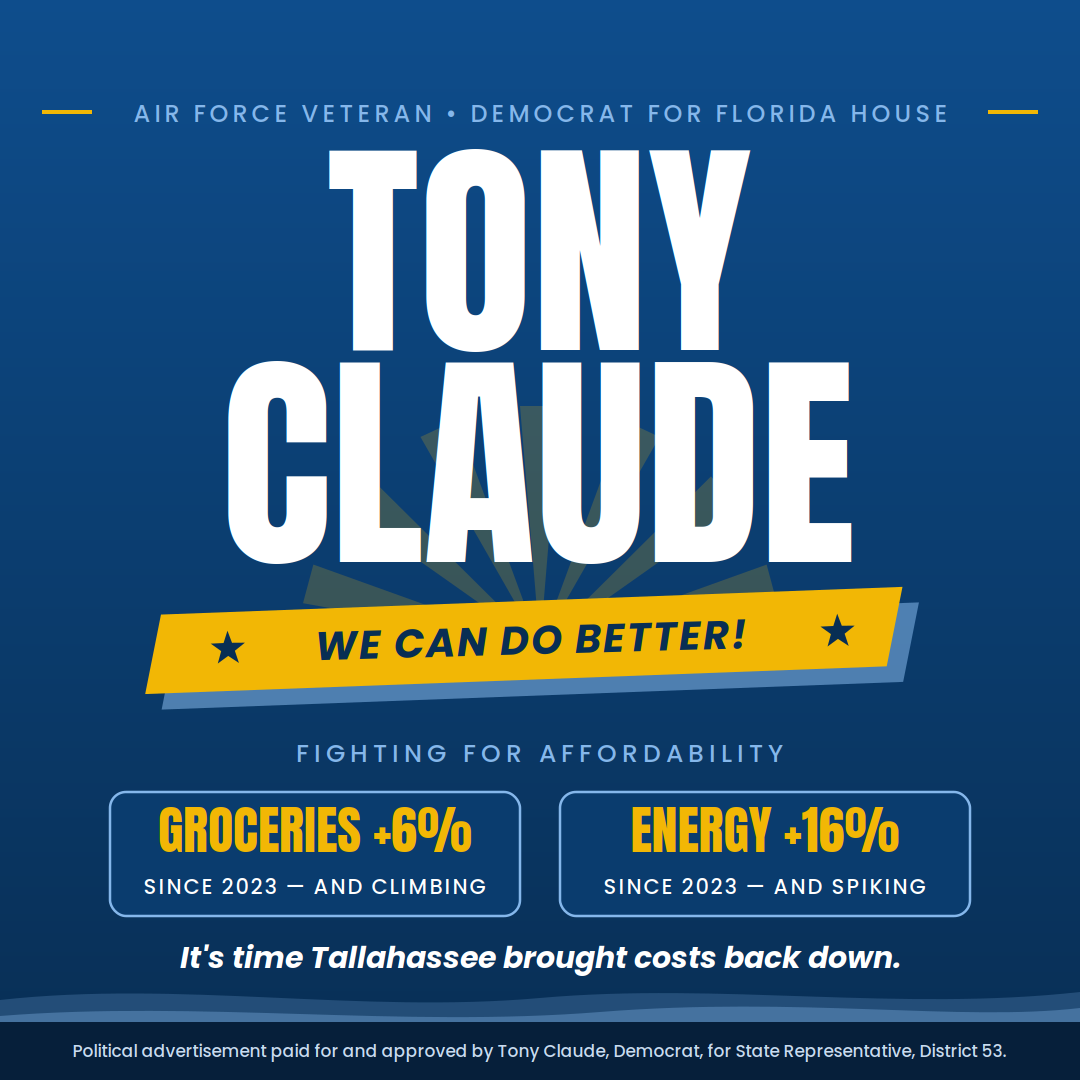
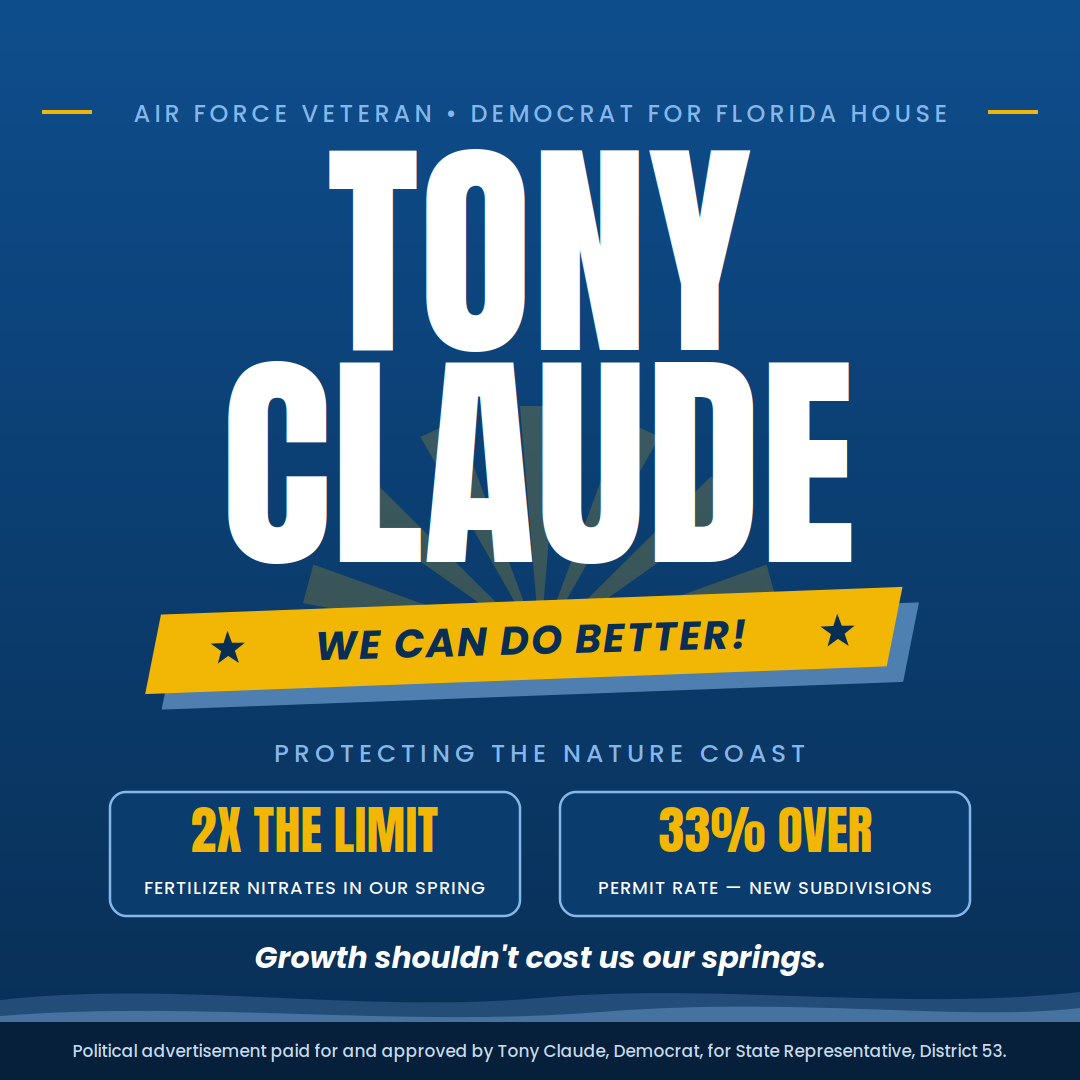
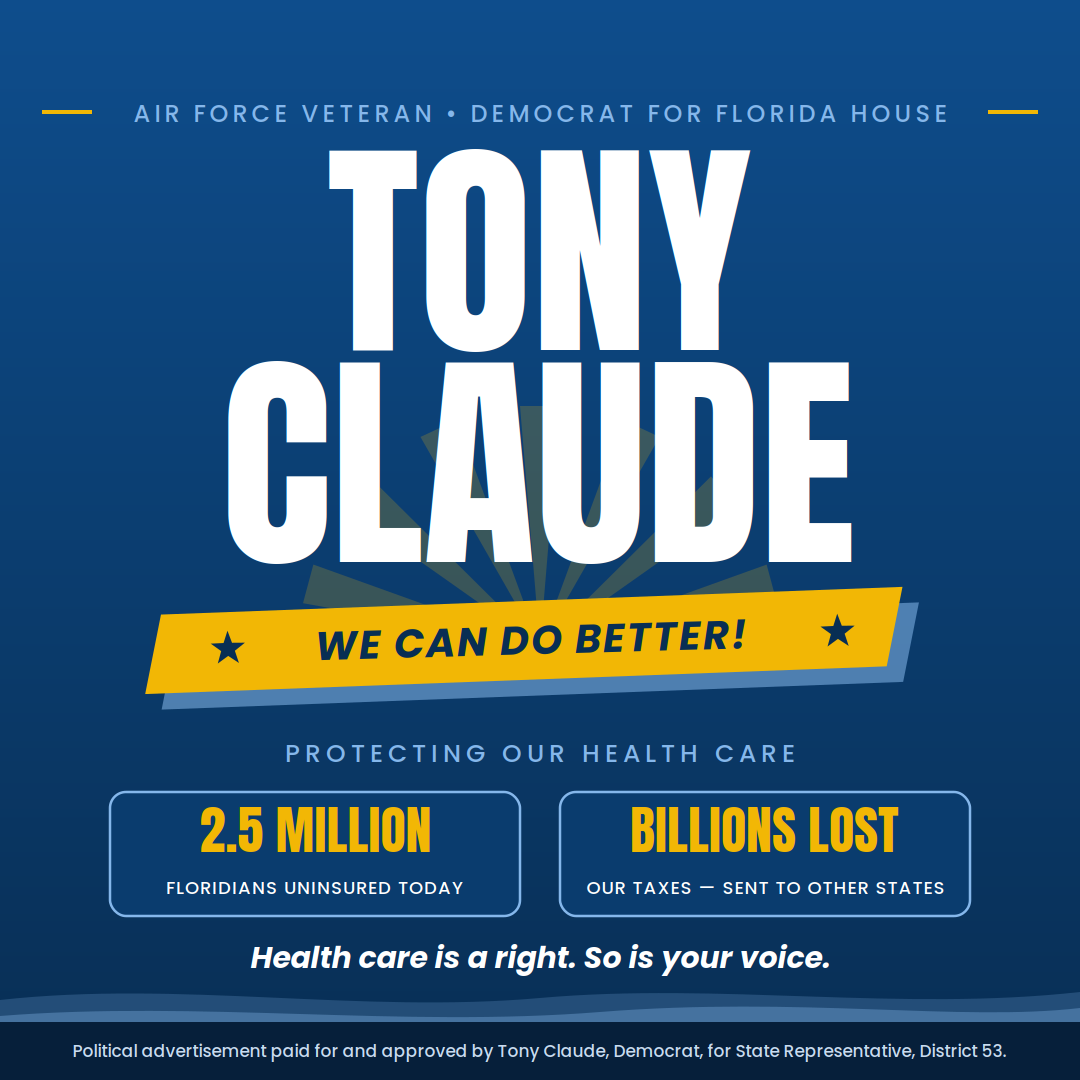
Take a look at a selection of recent statistics, and how they impact Florida.
Immigration is crucial to Florida's economy and demographics, with immigrants comprising nearly 30% of the labor force and contributing over $179 billion annually in personal income. While driving growth in sectors like construction, agriculture, and tourism, immigrant populations also face increasing pressure from strict state policies, such as SB 1718, which has created labor shortages and fear among communities.
NPR
Per Capita Consumption The county's water-use permit is based on a per capita rate of 128 gallons per day, with a cap of 150 gallons per day set by the Southwest Florida Water Management District (SWFWMD). Per capita usage had dipped to 123 gallons per day in 2018 but climbed back to 136 gallons per day more recently. New homes in new subdivisions are averaging 170 gallons per day, with some exceeding 200. Hernando Sun
Irrigation is the Dominant Driver Irrigation accounts for nearly 60% of water usage in the county. Residential irrigation meters for solely irrigation purposes are now prohibited in all service areas under current ordinance. Hernando Sun
Solution Given that Hernando County residents currently average 136 gallons per day per capita — already above the 128 gallon permit baseline — and irrigation accounts for nearly 60% of that usage, widespread native ground cover adoption could theoretically bring per capita usage well within permit limits and help new developments avoid the 170–200 gallon/day averages currently being seen.
Rapid population growth and urbanization in Florida have severely impacted the environment, destroying wildlife habitats, draining wetlands, and exacerbating pollution. The state loses approximately 450 acres of forest and 410 acres of farmland daily to development, threatening native species like the Florida panther, and manatee, while causing the Everglades to "die of thirst".
Negative Population Growth
Tariffs have significantly impacted Florida's economy by increasing consumer prices, raising operational costs for small businesses, and putting pressure on agriculture and construction. As of 2025-2026, the state is experiencing higher grocery bills, rising construction material costs, and increased vehicle prices, with analysts projecting a $6,000–$7,000 increase per car.
Florida TaxWatch

Florida economics, health care, and sustainability speak for themselves
-
Florida economics, health care, and sustainability speak for themselves -